

When Is The Best Time Of Year To Replace Your Roof? (5 Signs To Watch)
 11/2/2026
 7 Min Read
The best time of year to replace a roof is typically fall, when mild temperatures and stable weather give asphalt shingles the ideal conditions to seal properly before winter. That said, the right timing depends on your climate, your roofing material, contractor availability, and most importantly, the condition of your current roof. A failing roof should never wait for the perfect season. This guide breaks down the best seasons for a roof replacement, how temperature affects installation, and the signs that tell you it is time to replace your roof now rather than later.
- Fall is ideal: Moderate temperatures and dry weather make autumn the gold standard.
- Timing is flexible: Spring, summer, and even winter can work with the right approach.
- Condition comes first: A damaged or leaking roof should be replaced right away, season aside.
Below, we cover why timing matters, a season-by-season breakdown, the signs your roof needs replacing, and why you should not wait too long.
Why Timing Matters for a Roof Replacement
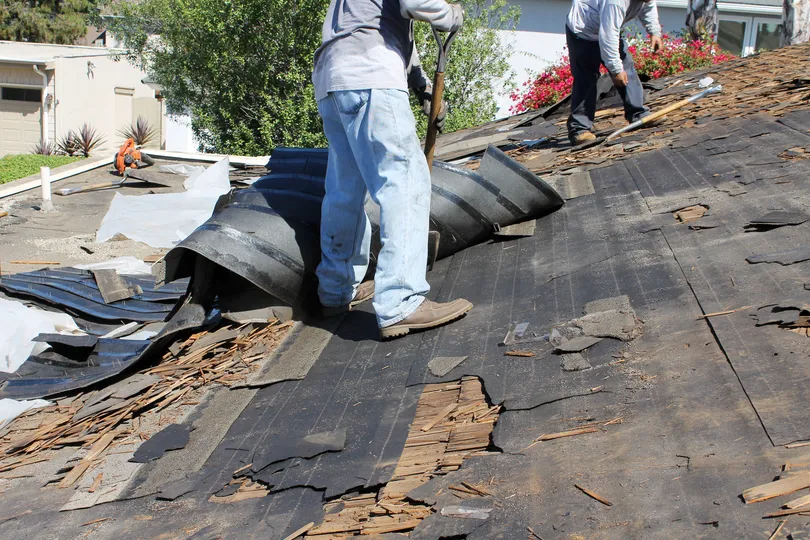
The timing of your roof replacement affects installation quality, cost, and how long you wait for a crew. Understanding the tradeoffs helps you plan a project that goes smoothly.
The biggest factor is temperature, because asphalt shingles rely on heat to seal and bond. According to the Asphalt Roofing Manufacturers Association, asphalt shingles should be installed in temperatures above 40 degrees Fahrenheit so the sealant strips activate and adhere properly. Below that threshold, shingles can become brittle and the self-sealing adhesive may not set without hand-sealing.
- Shingle sealing: Asphalt needs warmth to activate its adhesive and bond to the deck
- Weather windows: Dry, stable conditions let crews work efficiently without delays
- Contractor demand: Popular seasons book up fast, affecting your timeline and sometimes price
- Material differences: Metal, cedar, and composite have their own temperature considerations
The Best Season to Replace Your Roof
Each season offers different advantages and tradeoffs for a roof replacement. Knowing what to expect helps you choose the right window for your home and budget.
While fall is the overall favorite, the ideal season depends on your priorities, whether that is perfect sealing conditions, lower cost, or faster scheduling.
Fall: The Ideal Season
Fall, roughly September through November, is considered the best time to replace a roof in most climates. Temperatures typically sit in the ideal 45 to 85 degree range, which lets asphalt shingles seal correctly, and the drier, milder weather gives crews predictable working conditions. Replacing in fall also gets your roof ready before winter snow and ice arrive.
- Ideal sealing: Moderate temperatures activate shingle adhesive reliably
- Winter prep: Your roof is sealed and ready before the first snow
- Book early: Fall is peak season, so schedule months ahead
Spring: A Strong Second Choice
Spring, from about March through May, is the next best window and a good option for homeowners who missed fall. Temperatures are moderate, and it is often when winter damage first becomes visible, prompting a replacement. The main tradeoffs are spring rain, which can cause delays, and contractor schedules that fill up quickly.
- Moderate temps: Good conditions for shingle sealing as weather warms
- Catch winter damage: Spring reveals issues from the previous winter
- Watch for rain: Spring showers can push back installation dates
Summer: Workable but Hot
Summer works for roof replacement, especially early summer, though extreme heat creates challenges. Very high temperatures can make shingles soft and prone to damage during handling, and it is a busy season for contractors. Early summer mornings and longer daylight hours, however, give crews plenty of working time.
- Long daylight: More working hours per day for faster projects
- Heat caution: Extreme heat can soften shingles and slow work
- Peak demand: Expect longer lead times during the busy season
Winter: Possible with Trade-Offs
Winter is the least ideal but still workable season, and it often comes with the lowest prices and best availability. The challenge is cold: below 40 degrees, shingles become brittle and adhesive will not self-seal, so crews must hand-seal each shingle. For an actively failing roof, though, winter replacement is far better than waiting.
- Lower cost: Off-season pricing and open schedules
- Cold challenges: Crews must hand-seal shingles below 40 degrees
- Emergency option: Always better than leaving a failing roof exposed
5 Signs It Is Time to Replace Your Roof
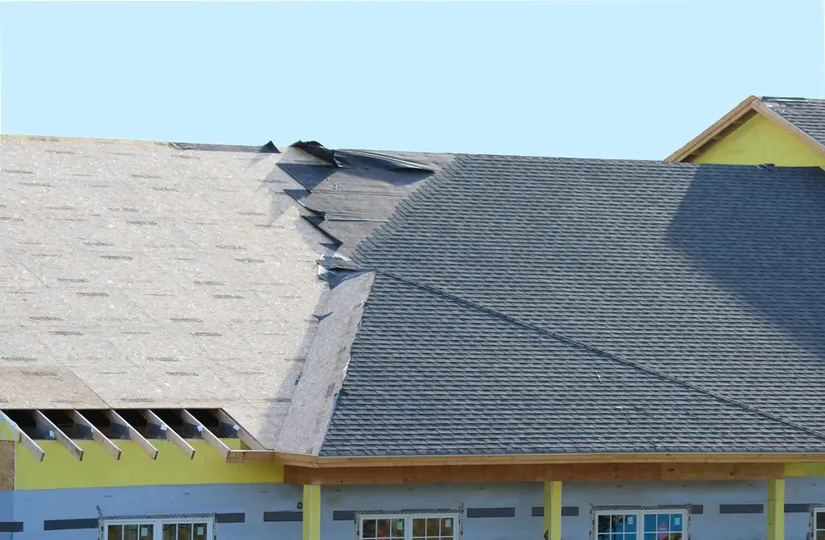
No matter the season, certain warning signs mean your roof needs attention now. Watching for these helps you act before a small problem becomes major water damage.
If you notice any of the following, schedule a professional inspection rather than waiting for an ideal season. A compromised roof only gets worse with time.
1. Age Beyond 20 Years
Most asphalt shingle roofs last 20 to 30 years, so a roof approaching or past that age is a prime candidate for replacement. Even if it looks intact from the ground, an aging roof loses its weather resistance. If you know your roof is two decades old, have it professionally evaluated.
- Lifespan limit: Asphalt typically lasts 20 to 30 years
- Hidden wear: Age weakens a roof even when damage is not obvious
- Plan ahead: Budget for replacement as the roof nears end of life
2. Curling, Cracked, or Missing Shingles
Shingles that are curling, cracking, buckling, or going missing are a clear sign your roof is failing. These issues expose the underlayment and deck to water and tend to spread quickly. A few damaged shingles may be repairable, but widespread problems point to replacement.
- Curling and cracking: Signs the shingles have reached the end of their life
- Missing shingles: Leave the roof open to leaks and wind damage
- Widespread damage: Points to replacement rather than spot repair
3. Granules in the Gutters
Finding shingle granules collecting in your gutters is a sign of advanced wear. Those granules protect shingles from UV damage, and as they shed, the shingles deteriorate faster. Bald spots on shingles and granule buildup in gutters together signal your roof is nearing the end of its service life.
- Granule loss: Accelerates shingle breakdown once it starts
- Bald spots: Visible wear on the shingle surface
- Gutter buildup: A telltale sign of an aging roof
4. Leaks or Water Stains
Water stains on ceilings or walls, or active leaks in the attic, mean water is already getting past your roof. Even small leaks can lead to mold, rot, and structural damage over time. If you are seeing interior water signs, the roof needs prompt professional attention regardless of season.
- Interior stains: Brown marks on ceilings or walls signal intrusion
- Attic leaks: Daylight or moisture in the attic is a red flag
- Act fast: Water damage spreads quickly once it starts
5. Sagging or Structural Issues
A sagging roofline is a serious warning sign that points to structural or moisture damage in the decking or supports. This is not a cosmetic issue and should be addressed immediately, since it can worsen into a safety hazard. Any visible dip or droop in the roof plane warrants an urgent inspection.
- Visible sagging: Suggests trapped moisture or compromised decking
- Structural concern: Goes beyond cosmetic and needs prompt action
- Urgent inspection: Have a professional evaluate right away
Do Not Wait Too Long for the Perfect Season
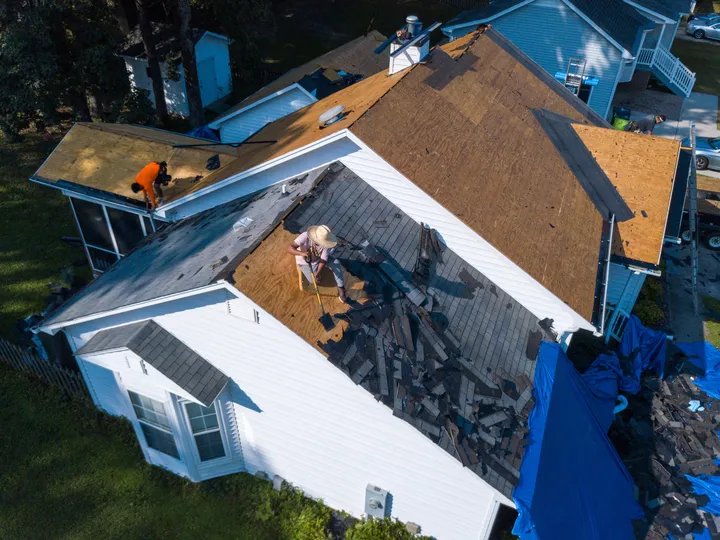
While fall may be the ideal time to replace a roof, the single most important factor is the condition of your current roof. A roof that is leaking, sagging, or shedding shingles will only get worse, and waiting for a specific season can turn a manageable replacement into costly interior and structural damage. Experienced roofers can replace roofs in nearly any season by adjusting their methods, such as hand-sealing shingles in cold weather. If your roof is showing the signs above, the best time to act is now.
Plan Your Roof Replacement With Shake Guys
The best time of year to replace your roof is usually fall, when mild temperatures and stable weather create ideal conditions, with spring as a strong second choice and summer and winter both workable with the right approach. More important than the calendar, though, is the health of your roof: if you are seeing age, curling or missing shingles, granule loss, leaks, or sagging, it is time to act regardless of season. Shake Guys specializes in cedar, composite shake, and slate roofing, backed by more than 20 years of experience, an A+ BBB rating, over 250 five-star reviews, and factory-trained crews who deliver quality installations year-round. Reach out to Shake Guys today to schedule your free 17-point roof inspection and plan your replacement at the right time for your home.


Schedule a Free Inspection & Consultation
We look forward to providing you with premium customer service & high-quality results.