

Should You Insulate Your Attic Before Or After A Roof Replacement?
 11/6/2026
 9 Min Read
Deciding whether to insulate attic before or after a roof replacement is a common question, and the short answer is that a roof replacement is one of the best times to address attic insulation, as long as ventilation and moisture are handled correctly. Because insulation, ventilation, and roofing all work together as a system, coordinating them pays off in comfort, lower energy bills, and roof longevity. The right sequence depends on your attic’s condition, whether there are roof leaks, and whether you are keeping existing insulation or installing new insulation. This guide explains when to insulate relative to a new roof and how to get the timing right.
- Reroof is ideal timing: A roof replacement gives easy attic access to inspect and upgrade insulation.
- Ventilation comes first: Proper insulation only works when airflow is balanced and moisture is controlled.
- Condition matters: Roof leaks or damaged old insulation can change the ideal sequence.
Below, we cover why timing matters, the case for insulating during a reroof, when to wait until after, and the role of ventilation and air sealing.
Why Insulation Timing Matters
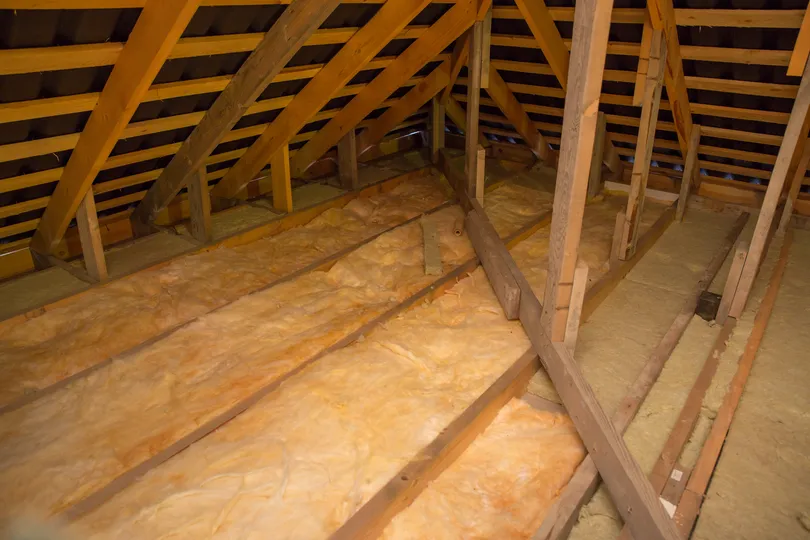
Attic insulation, roof ventilation, and the roof itself form an interconnected system, so the timing of each affects the others. Getting the sequence right protects your investment and avoids moisture problems.
Insulation slows the escape of warm air, keeping your home warmer in winter and cooler in summer and reducing energy consumption year-round, but it only performs when the attic is properly sealed and ventilated. According to the U.S. Department of Energy, adding insulation to attics is cost-effective at any time, but replacing a roof creates an ideal opportunity to do it, since you gain access to all parts of the attic for air sealing as long as moisture and ventilation issues are carefully addressed.
- System approach: Insulation, ventilation, and roofing perform best when coordinated
- Access advantage: A reroof opens up attic access for inspection and attic air sealing
- Moisture risk: Installing insulation without proper ventilation can trap moisture and cause mold
- Energy payoff: Correct timing improves energy efficiency and lowers energy bills
The Case for Insulating During a Roof Replacement
For most homeowners, coordinating insulation with a roof replacement is the smart move, since the roofer already has the attic and roof system open. This is the ideal window to assess and improve everything at once.
During a reroof, your contractor can inspect for hidden roof leaks, confirm ventilation balance, install baffles, and verify the depth of your existing insulation, all while attic access is easy. Addressing these together as part of one roofing project ensures the roof structure stays dry and the insulation performs as intended.
- Easy access: Roofers can reach areas of the attic that are hard to inspect otherwise
- Ventilation check: Ridge and soffit vents can be balanced before new insulation goes in
- Baffle installation: Vent baffles keep airflow clear at the eaves, best added during the roofing project
- One coordinated project: Combining the work avoids disturbing a finished attic later
When to Wait Until After the Roof Is Done
While coordinating the work is ideal, there are situations where you should insulate after the roof replacement rather than before or during. The condition of your roof is the deciding factor.
If your roof has active roof leaks or moisture problems, it is best to complete the new roof first and confirm it is watertight before adding insulation, since wet insulation loses its R-value and can harbor mold. Many professionals recommend waiting a short period after a reroof to verify the roof is sound before installing new insulation.
- Active leaks: Fix the roof and confirm it is watertight before adding insulation
- Moisture damage: Wet or compromised old insulation should be removed, not covered
- Verification period: Waiting a few weeks confirms the new roof is performing
- Partial reroofs: Insulating only a section creates uneven R-value, so plan for consistency
For a Standard Vented Attic, Timing Is Flexible
In a typical home where insulation sits on the attic floor rather than against the roof deck, the insulation is not directly disturbed by the roof work, so the timing is more flexible. Understanding this helps you plan around your own situation.
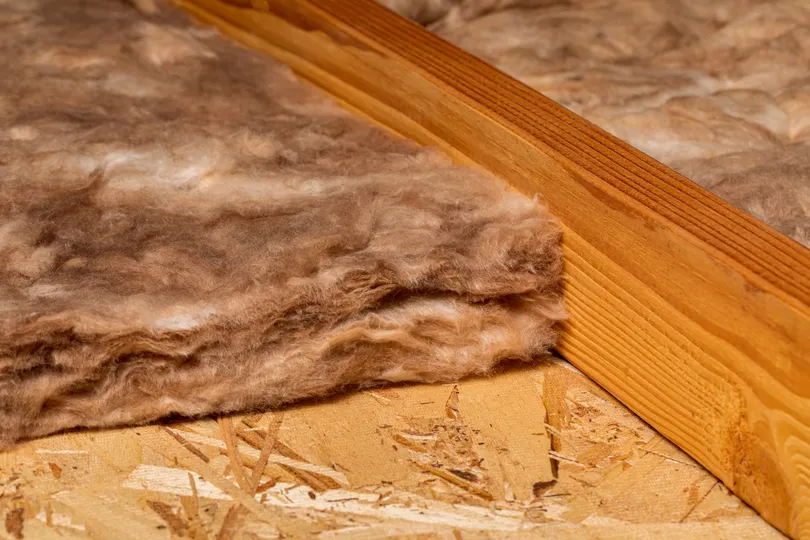
Because attic floor insulation and the roof deck are separate, you can technically add attic-floor insulation, whether loose fill or fiberglass batts, before or after a reroof. Even so, coordinating with the roofing project remains the best practice, because it lets the contractor confirm ventilation and air sealing as part of one effort rather than revisiting the attic later.
- Floor insulation: Sits on the attic floor, separate from the roof deck
- Material options: Loose-fill or fiberglass batts both work on the attic floor
- Flexible timing: Can be added before or after a standard reroof
- Check your R-value: Confirm your attic meets current code targets for your climate
The Role of Ventilation and Air Sealing
No matter when you insulate, two steps are essential to doing it right: balanced ventilation and attic air sealing. Skipping either undermines the insulation and can damage your roof.
Proper intake from the soffit vents and exhaust at the ridge must be confirmed before insulation goes in, because insulating without airflow traps moisture against the roof deck and leads to mold and rot. Attic air sealing of the attic floor first is equally important, since insulation laid over gaps and penetrations cannot deliver its full R-value, which keeps your attic a healthy, cold attic in winter rather than a damp one.
- Confirm ventilation: Balanced intake from soffit vents and ridge exhaust prevents trapped moisture
- Air seal first: Seal gaps around pipes, ducts, and the attic hatch before adding insulation
- Protect R-value: Sealed, ventilated attics let insulation perform as rated and cut energy consumption
- Prevent ice dams: Good ventilation and proper insulation together reduce winter ice damming
6 Steps: The Right Order of Operations for Roof and Attic Work
When a roof replacement and an attic insulation upgrade happen together, following the right sequence is what ensures each step supports the next. Working through the project in this order keeps the roof watertight, the attic dry, and the insulation performing as rated.
1. Inspect the Attic and Existing Insulation
Before the roofing project begins, assess your current R-value, check for roof leaks or moisture, and note any damaged old insulation that should be removed. This baseline inspection tells you whether you are topping up existing insulation or starting fresh, and it catches problems while the attic is still easy to evaluate.
- Check R-value: Measure current insulation depth against code targets for your climate
- Look for moisture: Note any roof leaks, stains, or damp insulation that need attention
- Flag damaged material: Mark old insulation that should be removed rather than covered
2. Complete the New Roof
Install the new roof and confirm the roof deck is sound and watertight before anything else. Wet insulation loses its value, so a dry, leak-free deck is the foundation for everything above the attic, which is why the roof work comes before any insulation upgrade.
- Watertight first: Confirm the new roof and deck are dry before insulating
- Repair the deck: Replace any rotted or damaged sheathing found during the reroof
- Verify performance: Give the roof time to prove it is leak-free in rain
3. Confirm Ventilation
Verify that intake from the soffit vents and exhaust at the ridge are balanced, and add baffles to keep airflow clear at the eaves before any insulation goes in. Proper ventilation prevents moisture from being trapped against the roof deck once the insulation is in place.
- Balance airflow: Match intake from soffit vents with ridge or exhaust venting
- Add baffles: Install baffles so insulation does not block airflow at the eaves
- Protect the deck: Good airflow keeps moisture off the roof deck in every season
4. Air Seal the Attic Floor
Complete attic air sealing around pipes, ducts, and the attic hatch before adding insulation. Installing insulation over unsealed gaps lets warm air escape and prevents the insulation from reaching its rated R-value, so this step is what makes the insulation actually perform.
- Seal penetrations: Close gaps around pipes, ducts, wiring, and light fixtures
- Address the hatch: Weatherstrip and insulate the attic hatch, a common leak point
- Stop warm air loss: Sealing first keeps warm air from bypassing the insulation
5. Add or Upgrade Insulation
With the attic sealed and ventilated, install new insulation, whether loose fill or fiberglass batts, to the target depth for your climate. This is the step that delivers the energy efficiency gains, and it only works fully because the previous steps prepared the attic correctly.
- Choose the material: Loose fill or fiberglass batts both work on the attic floor
- Hit the target R-value: Install to the recommended depth for your climate zone
- Keep it even: Spread insulation consistently for uniform performance
6. Verify and Maintain
Confirm consistent coverage across the attic floor, then inspect periodically to protect your investment. Checking insulation depth, ventilation, and the attic hatch over time keeps the system performing and keeps reducing energy consumption year after year.
- Confirm coverage: Check for gaps or thin spots across the attic floor
- Inspect regularly: Review insulation, ventilation, and the attic hatch over time
- Track your bills: Lower energy bills confirm the system is working as intended
Getting the Timing Right With Shake Guys
The question of whether to insulate attic before or after roof replacement does not have a single answer, but the key is coordinating insulation, ventilation, and roofing so they work together as a system. A reroof is often the ideal time to upgrade insulation because your contractor has full access to inspect for leaks, balance ventilation, and air seal the attic, though homes with active leaks are better served by completing the roof first. The best approach always starts with a professional assessment of your roof, ventilation, and insulation together. Shake Guys specializes in complete roofing systems, backed by more than 20 years of experience, an A+ BBB rating, over 250 five-star reviews, and factory-trained crews. Reach out to Shake Guys today to schedule your free 17-point roof inspection and plan your roof and attic upgrades the right way.


Schedule a Free Inspection & Consultation
We look forward to providing you with premium customer service & high-quality results.