
Roof Condensation And Roof Leaks Aren’t The Same Thing (4 Key Differences)
 11/11/2026
 7 Min Read
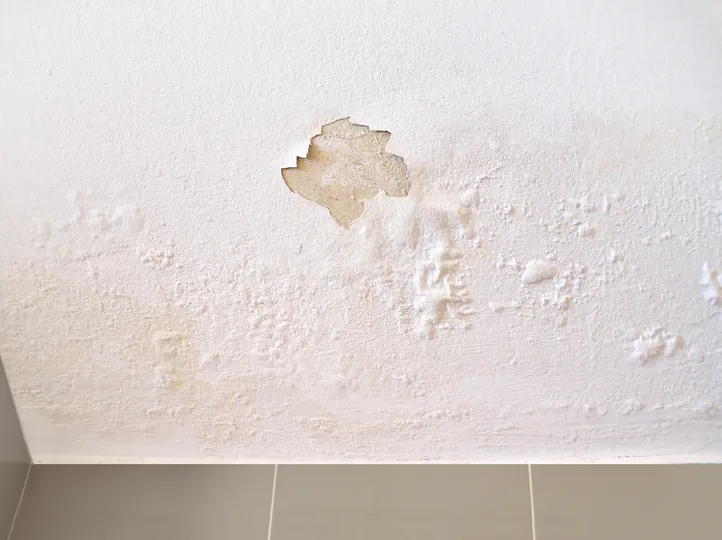
Understanding the difference between a roof leak vs condensation can save you from paying for the wrong repair, because the two look nearly identical but have completely different causes and solutions. When you find water stains on the ceiling or moisture in the attic, your first thought is usually a leaking roof, yet the real culprit is often attic condensation forming inside the attic. Figuring out whether you have a leak or condensation matters, because treating one like the other wastes money and lets the real problem spread. This guide breaks down the four key differences between roof condensation and roof leaks so you can identify what is actually happening.
- Different causes: A leak comes from outside; condensation forms from inside moisture.
- Different signs: Timing and moisture pattern reveal which problem you have.
- Different fixes: One needs roofing repair, the other needs ventilation and air sealing.
Below, we explain what each problem is and walk through the four key differences in cause, timing, pattern, and solution.
What Is a Roof Leak?
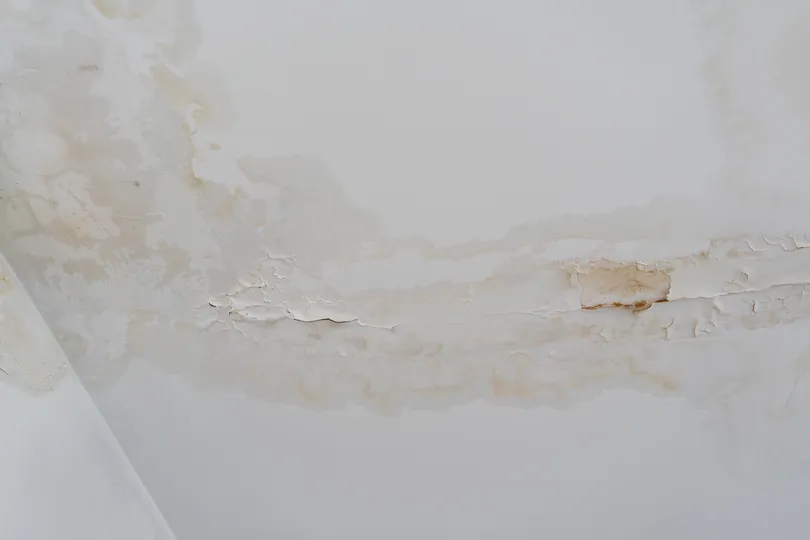
A roof leak happens when water from outside enters your home through a defect in the roof system. Rain or melting snow finds a pathway through damaged or worn components and travels inside.
Common causes include missing or cracked shingles, deteriorated flashing around chimneys and vents, failed sealant, or ice dams forcing water under the shingles. Because the water follows a path, a leak usually shows up as a concentrated wet spot, often near a roof penetration, and it appears during or right after a weather event.
- External source: Water enters through a roof defect from outside
- Common culprits: Missing shingles, failed flashing, worn sealant, ice dams
- Follows a path: Water travels along rafters to a low point
- Weather-driven: Appears during or shortly after rain or snowmelt
What Is Roof Condensation?
Roof condensation forms when warm air and moist air from inside your home rise into a cold attic and meet the cold underside of the roof decking or the metal nail tips poking through it. The moisture in that air condenses on the cold surface into water droplets, frost, or damp patches, no outside water required.
Everyday activities like showering, cooking, and laundry add indoor humidity, and problems worsen when bathroom or kitchen fans vent into the attic instead of outside, or when poor attic ventilation and insulation trap excess moisture. The result looks like a leak from inside the house, even though no water came through the roof system.
- Internal source: Warm, moist air meets cold attic surfaces
- Common culprits: Poor attic ventilation, missing air sealing, fans venting into the attic
- Widespread moisture: Dampness and excess moisture appear across broad areas, not one spot
- Temperature-driven: Worst during cold weather and big temperature swings
4 Key Differences Between Roof Leaks and Condensation
While both leave water in your attic or on your ceiling, four clear differences help you tell them apart. Knowing which one you have points you to the right fix.
Use these four distinctions together rather than relying on just one, since a careful look at all of them gives the most reliable diagnosis.
1. The Source of the Moisture
The most fundamental difference is where the water comes from. A roof leak is external moisture entering through a roof defect, while condensation is internal moisture from humid household air meeting cold surfaces. This distinction matters because it determines whether the problem is with your roof covering or with your attic’s ventilation and air sealing.
- Roof leak: Water comes from outside through a roof defect
- Condensation: Moisture comes from humid air inside the home
- Why it matters: The source determines the correct repair
2. The Timing of the Moisture
When the moisture appears is one of the most telling clues. A roof leak correlates with rain, showing up during or within about 24 hours of a storm or snowmelt and drying out afterward. Condensation follows temperature instead of weather, appearing on cold days, after hot showers, or on foggy mornings, and it is most common in winter when the attic-to-indoor temperature difference is greatest.
- Roof leak: Appears during or right after rain or snowmelt
- Condensation: Appears with cold weather and humidity, rain or not
- Seasonal clue: Condensation peaks in winter; leaks happen year-round
3. The Pattern and Location
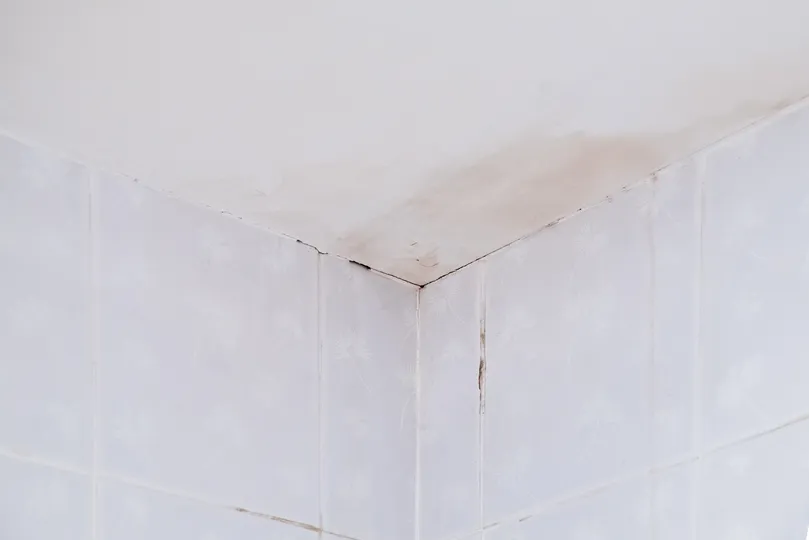
The two problems leave different fingerprints in the attic. A roof leak is localized and concentrated, often forming a streak or wet path near a roof penetration, valley, or flashing. Attic condensation is broad and diffuse, appearing evenly across large areas of the roof decking, frequently with beaded droplets or frost on many nail tips at once, and over time it can lead to mold and mildew growth across the sheathing.
- Roof leak: Concentrated in one spot, often near a penetration
- Condensation: Widespread and even across the decking
- Nail tips: Frost or rust on many nails points to condensation
4. The Solution
Because the causes differ, so do the fixes, which is why correct diagnosis saves money. A leaking roof requires roofing repair, replacing shingles, repairing flashing, or resealing penetrations to stop water from entering. Condensation issues are solved by improving the attic environment with balanced ventilation, air sealing, and reduced excessive indoor humidity. According to ENERGY STAR, proper attic ventilation and insulation keep the attic cold in winter and move moisture out, reducing the condensation and ice damming that damage a roof.
- Roof leak fix: Repair shingles, flashing, or sealant to stop water entry
- Condensation fix: Balance ventilation, air seal, and lower excessive moisture at the source
- Vent fans outside: Ensure bathroom and kitchen fans exhaust outdoors
- Diagnosis first: Confirm the source before paying for a repair
Why Correct Diagnosis Matters
Misdiagnosing the problem is costly and lets damage continue. The two issues have completely different solutions, so treating the wrong one means the moisture never stops.
If you treat condensation like a roof leak, you might replace shingles that were never the problem while the excessive moisture keeps forming and feeds mildew growth. If you treat a leak like condensation, water intrusion spreads into roof decking, insulation, and framing. In some cases a home can have both at once, which is why a professional inspection that checks the roof, attic, ventilation, and moisture patterns together is the reliable way to tell whether you have a leak or condensation and fix the real issue.
- Wasted money: The wrong repair does not stop the moisture
- Spreading damage: Untreated problems lead to rot and mold
- Both at once: A leak can raise humidity and worsen condensation
- Professional diagnosis: An inspection pinpoints the true source
Get the Right Diagnosis From Shake Guys
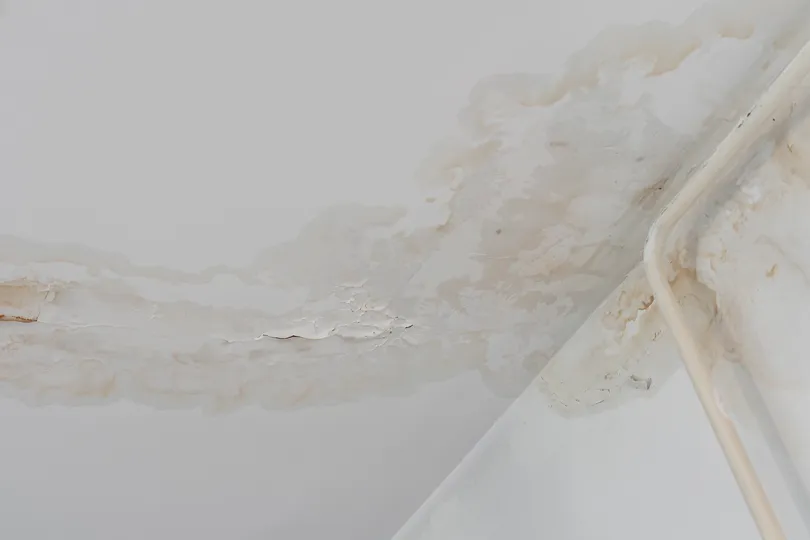
Roof condensation and roof leaks may look the same on your ceiling, but they come from different sources, follow different timing and patterns, and require completely different fixes. Knowing these four key differences, source, timing, pattern, and solution, helps you avoid paying for the wrong repair and ensures the moisture actually stops. Because the two can even occur together, the smartest step is a professional inspection that evaluates your roof and attic as a system. Shake Guys specializes in complete roofing systems and brings more than 20 years of experience, an A+ BBB rating, over 250 five-star reviews, and factory-trained crews to every inspection. Reach out to Shake Guys today to schedule your free 17-point roof inspection and find out exactly what is causing the moisture in your home.


Schedule a Free Inspection & Consultation
We look forward to providing you with premium customer service & high-quality results.