
Do I Need Roof Ventilation Upgrades In Oconomowoc, WI? (5 Signs & Savings Guide)
 10/29/2026
 5 Min Read
If you are asking “do I need roof ventilation upgrades in Oconomowoc WI?“, the answer often comes down to whether your attic is showing signs of trapped heat and moisture, both of which cost you money and shorten your roof’s life. Oconomowoc’s cold, snowy winters and warm summers make balanced attic ventilation especially important, since poor airflow drives up energy bills, invites ice dams, and can void your shingle warranty. The good news is that upgrades are straightforward and often pay for themselves. Below are the signs you need an upgrade and the savings good ventilation delivers, answered in a simple question-and-answer format.
Why Roof Ventilation Matters in Oconomowoc
Q: What does roof ventilation actually do?
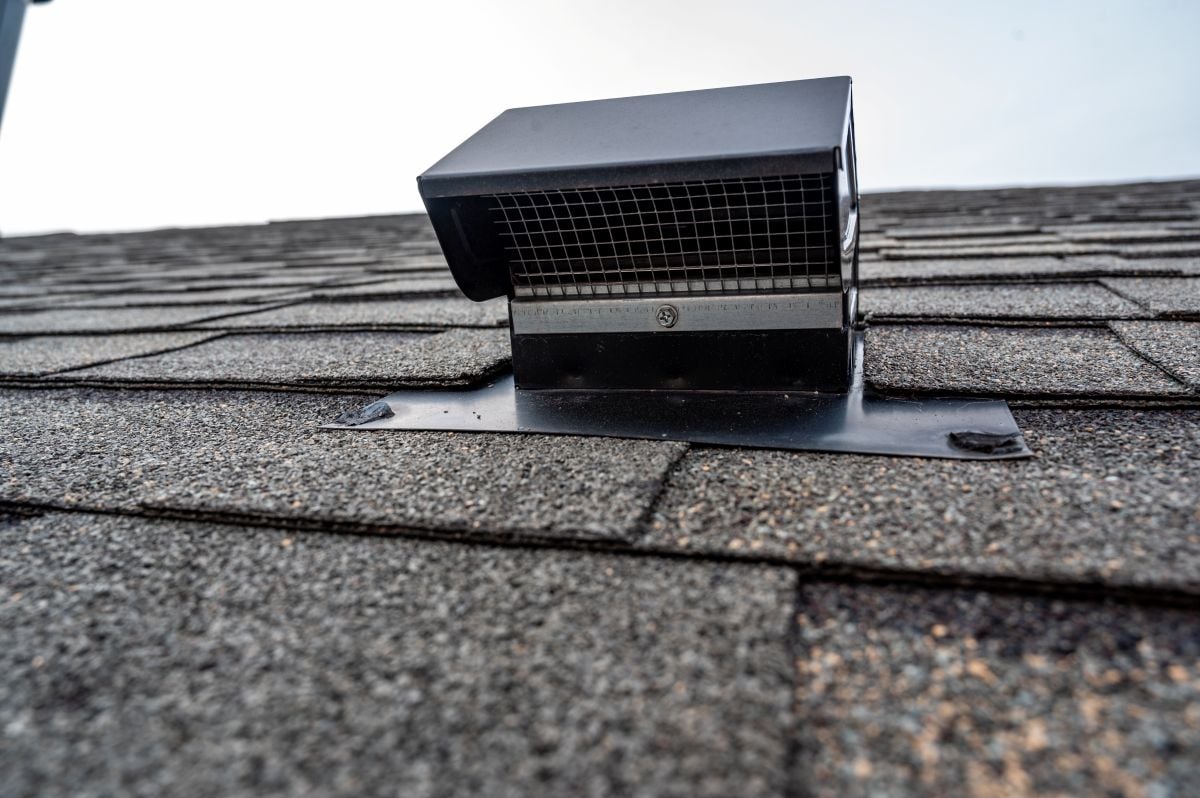
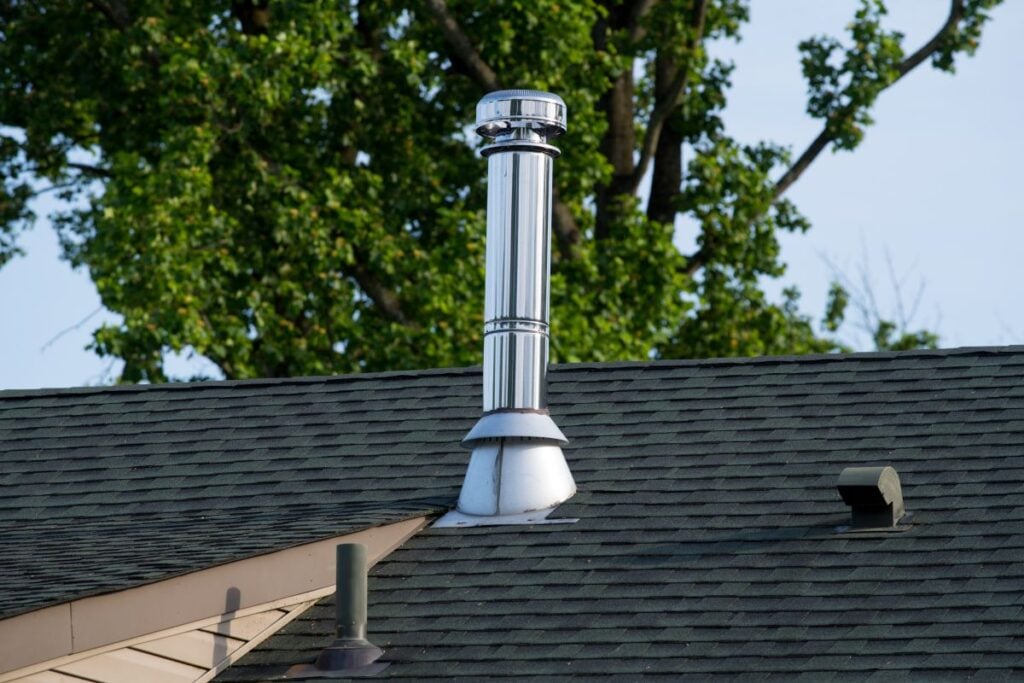
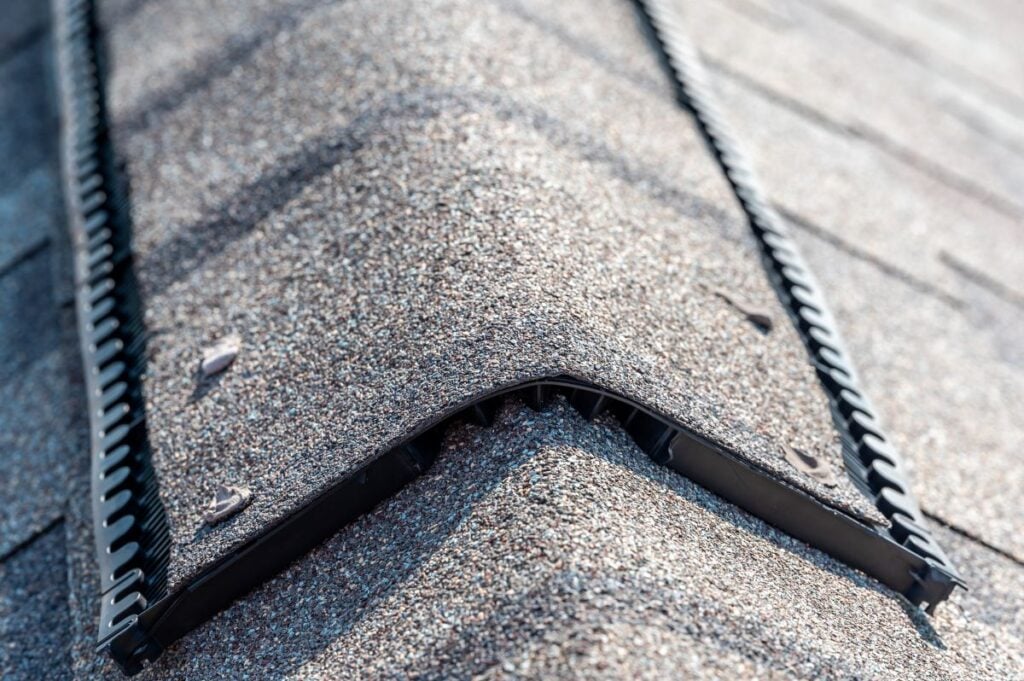
A: Roof ventilation moves air through your attic, letting intake vents at the eaves pull cool air in while exhaust vents at the ridge push hot, moist air out. This balanced airflow regulates attic temperature and moisture year-round, protecting your roof, your energy bills, and your home’s structure.
Q: Why does ventilation matter so much in Wisconsin’s climate?
A: Oconomowoc sees hot summers and cold, snowy winters, and ventilation helps in both. In summer it releases attic heat that drives up cooling costs, and in winter it keeps the attic cold to prevent the ice dams that form when escaping heat melts snow that refreezes at the eaves.
Q: Can poor ventilation really void my warranty?
A: Yes. Most asphalt shingle manufacturers require proper attic ventilation to keep their warranty valid, because trapped heat bakes shingles from below and shortens their life. If a warranty claim reveals inadequate ventilation, coverage can be denied, making airflow both a performance and a protection issue.
5 Signs You Need a Ventilation Upgrade
Q: What are the warning signs of poor attic ventilation?
A: The clearest signs are ice dams forming along your eaves in winter, high summer cooling bills, and a noticeably hot attic. Others include moisture or frost on the underside of the roof sheathing, and mold, mildew, or a musty smell in the attic.
Q: How do ice dams signal a ventilation problem?
A: Ice dams form when a warm attic melts roof snow that then refreezes at the cold eaves, backing water up under the shingles. Recurring ice dams are one of the strongest signs that your attic is too warm and needs better ventilation and insulation.
Q: What about summer heat and energy bills?
A: An attic that feels like an oven and cooling bills that climb each summer both point to trapped heat. Without enough exhaust ventilation, that heat radiates into your living space and forces your air conditioner to work harder, driving up energy costs month after month.
Q: Are moisture and mold signs of poor ventilation?
A: Yes. Frost or damp streaks on the roof sheathing, mold or mildew in the attic, and a musty odor all indicate trapped moisture from inadequate airflow. Left unaddressed, that moisture rots decking, ruins insulation, and creates health concerns.
Energy Savings and Benefits of Ventilation Upgrades
Q: How much can ventilation upgrades save on energy?
A: According to ENERGY STAR, homeowners can save an average of up to 15% on heating and cooling costs by air sealing their homes and adding attic insulation, which works hand in hand with proper ventilation. Balanced airflow keeps that insulation performing as intended.
Q: Does ventilation extend the life of my roof?
A: Significantly. Proper airflow prevents the heat buildup that bakes shingles and the moisture that rots decking, both of which shorten a roof’s lifespan. A well-ventilated attic helps your roof reach its full expected life and keeps your manufacturer warranty intact.
Q: What does a ventilation upgrade involve?
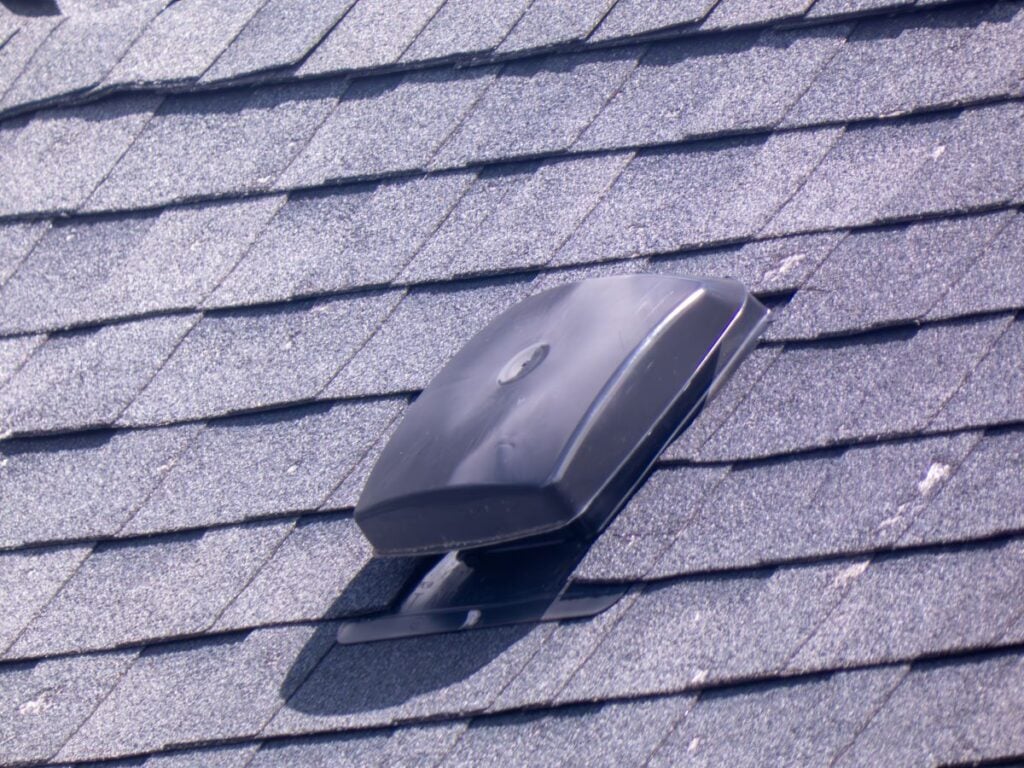
A: It usually means balancing intake and exhaust, adding or clearing soffit vents at the eaves and ridge or exhaust vents at the peak, and ensuring insulation is not blocking airflow. A professional assessment determines the right balance for your specific attic and roof.
When to Schedule a Ventilation Assessment
Q: How do I know if my ventilation is balanced?
A: Balanced ventilation pairs adequate intake at the soffits with matching exhaust at the ridge. Too much of one without the other creates problems, so a professional inspection is the reliable way to confirm whether your attic has the right balance for Oconomowoc’s climate.
Q: When is the best time to upgrade?
A: Ventilation upgrades are ideal during a roof replacement, when vents and insulation baffles can be optimized as part of the system. If you are seeing ice dams or high bills now, though, an assessment before winter or summer peaks can deliver savings and protection right away.
Q: Who should evaluate my roof ventilation?
A: A professional roofing contractor can assess your intake and exhaust balance, insulation, and moisture signs, then recommend the right upgrades. This ensures the work actually solves the problem and keeps your warranty valid, rather than adding vents that do not address the real imbalance.
Protecting Your Oconomowoc Home With Better Ventilation
Roof ventilation upgrades are one of the most cost-effective ways to lower energy bills, prevent ice dams, and extend the life of your roof in Oconomowoc’s demanding climate. If you are seeing ice dams, rising cooling costs, or moisture in your attic, those are clear signs it is time for an assessment, and the savings and protection often make upgrades well worth it. The best next step is a professional evaluation of your attic’s intake and exhaust balance. Shake Guys specializes in cedar, composite shake, and slate roofing and complete roofing systems, backed by more than 20 years of experience, an A+ BBB rating, over 250 five-star reviews, and factory-trained crews. Reach out to Shake Guys today to schedule your free 17-point roof inspection and find out whether ventilation upgrades can save you money and protect your Oconomowoc home.


Schedule a Free Inspection & Consultation
We look forward to providing you with premium customer service & high-quality results.