

Best Gutter Guards For Ice And Snow (3 Options Ranked)
 11/13/2026
 6 Min Read
Choosing the best gutter guards for snow and ice can protect your home from clogged gutters, ice dams, and the costly water damage that comes with a hard winter. Not all gutter guards perform the same in cold climates, since heavy, wet snow and refreezing ice behave very differently from leaves and debris. The wrong guard can actually trap ice and make winter problems worse, while the right one keeps water flowing when it matters most. This guide ranks three gutter guard options for ice and snow so you can choose with confidence.
- Micro-mesh leads: Fine stainless steel mesh sheds snow and drains meltwater best.
- Heated guards help most: Built-in heat cable melts ice on the worst rooflines.
- Reverse-curve struggles: Surface-tension designs can trap heavy snow and ice.
Below, we cover what to look for in a cold-climate gutter guard, then rank the three options from best to least suited for ice and snow.
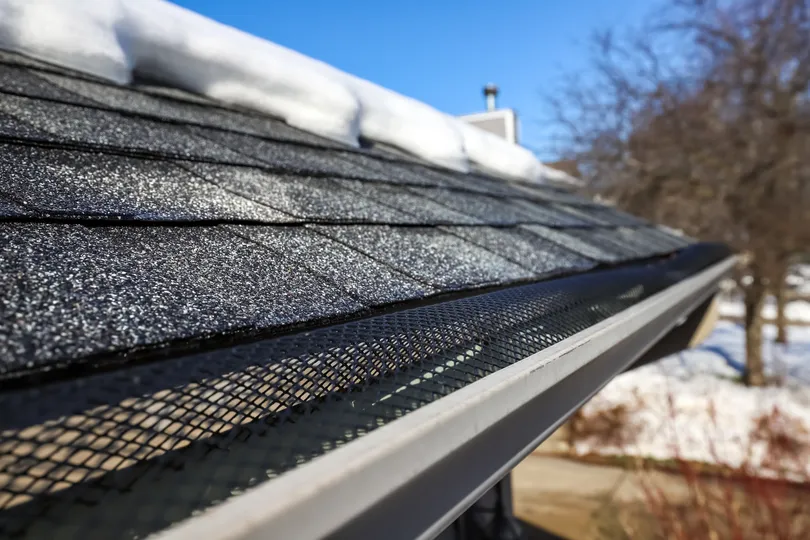
What Makes a Gutter Guard Good for Snow and Ice?
Before ranking the options, it helps to understand what separates a winter-ready gutter guard from one that fails in the cold. A few key traits determine how well a guard handles snow and ice.
The most important factor is whether the guard keeps water draining freely even as snow melts and refreezes, since trapped meltwater is what leads to ice dams and overflow. Material and frame strength matter too, because the weight of ice and snow can crush a flimsy guard.
- Free drainage: The guard must let snowmelt pass through rather than pooling
- Durable material: Stainless steel and aluminum resist rust and hold up to ice loads
- Strong frame: Avoid plastic frames that can collapse under the weight of ice
- Smooth shedding: A surface that sheds snow and ice beats one that holds it
3 Gutter Guard Options Ranked for Ice and Snow
With the key traits in mind, here are the three gutter guard options ranked from best to least suited for ice and snow. Each entry explains how it performs in winter and where it fits.
The ranking reflects how well each type keeps water draining and sheds snow and ice, not just how it handles leaves. Use it to match the right guard to your roof and climate.
1. Micro-Mesh Gutter Guards (Best Overall)
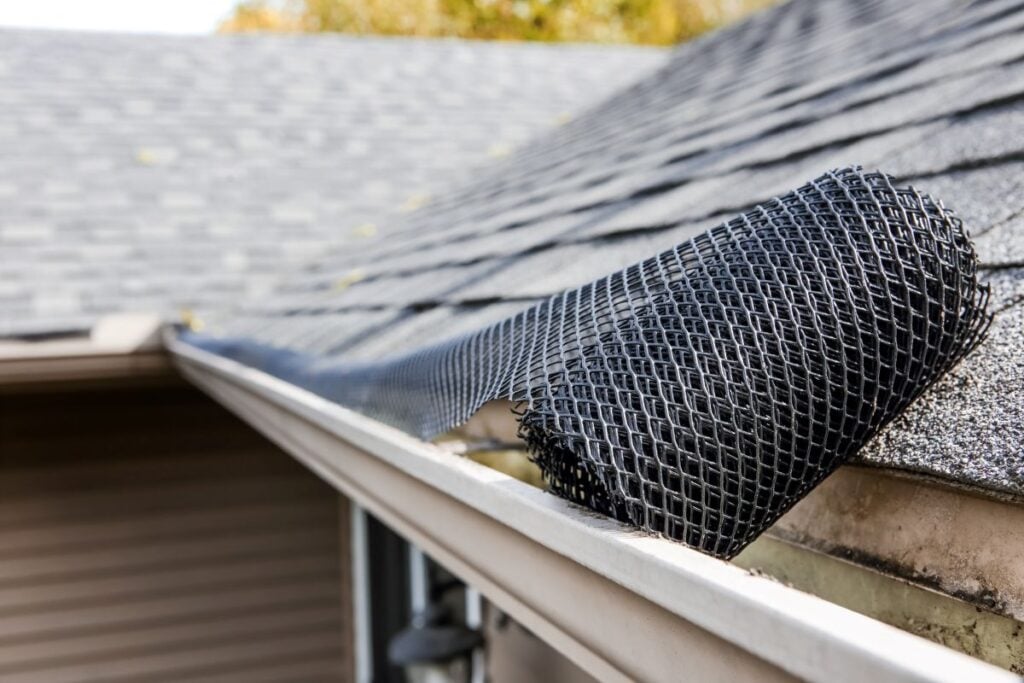
Micro-mesh gutter guards rank first for ice and snow because they offer the best balance of debris protection and winter drainage. Their fine stainless steel screen blocks leaves and debris while still letting melting snow and ice drain through the tiny perforations.
Because they keep water flowing, micro-mesh guards reduce the meltwater buildup that leads to ice dams, and their flat, low-profile surface sheds snow more effectively than bulkier designs. For the best performance, choose a guard with a stainless steel mesh and a sturdy metal frame rather than plastic, which can crack or collapse under ice. A roof rake can clear snow off the top easily so sun reaches the mesh and drainage resumes.
- Best drainage: Fine mesh lets snowmelt through while blocking debris
- Reduces ice dams: Keeping water flowing limits meltwater buildup
- Durable build: Stainless steel mesh on a metal frame resists ice loads
- Easy to clear: Snow on top can be raked off so the mesh drains again
2. Heated Gutter Guards (Best for Severe Ice)
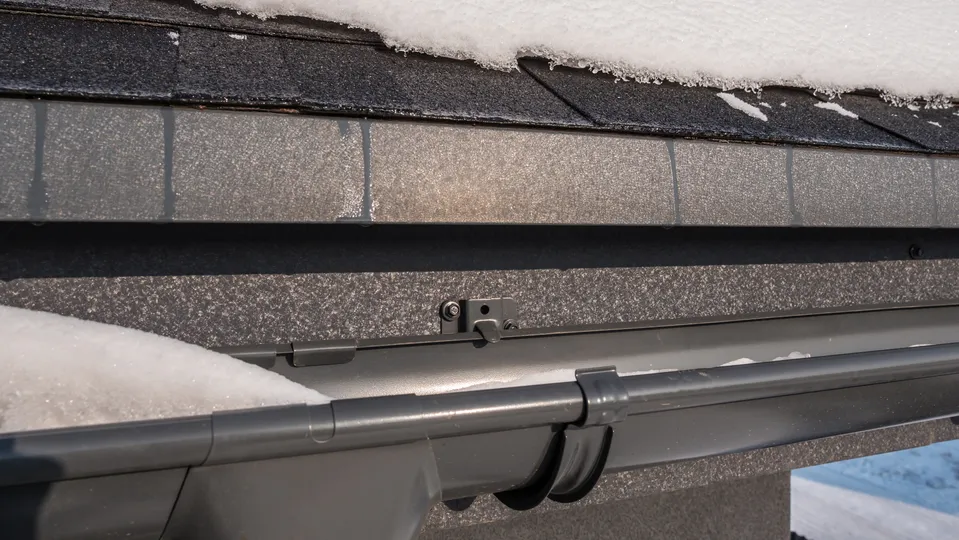
Heated gutter guards rank second and are the strongest choice for homes that battle persistent ice dams and icicles on specific rooflines. These systems combine a guard with a self-regulating heat cable that melts snow and ice before it can bond and build up.
By keeping the gutter and guard above freezing, heated guards directly prevent the ice accumulation that other guards can only manage. The tradeoffs are a higher upfront cost and the need for electrical power, so many homeowners use them strategically on problem areas, like above entryways and north-facing eaves, rather than the entire roof. Pairing a heated micro-mesh guard gives you both debris protection and ice melting in one system. According to This Old House, micro-mesh guards generally work best in snowy climates because they still allow water flow, and heated options add protection where ice is a way of life.
- Melts ice directly: Heat cable stops ice dams and icicles from forming
- Targeted use: Ideal for problem rooflines rather than the whole home
- Higher cost: Costs more upfront and needs a power source
- Best combined: Heated micro-mesh delivers debris and ice protection together
3. Reverse-Curve Gutter Guards (Least Suited for Cold)
Reverse-curve guards, also called surface-tension guards, rank last for ice and snow despite being popular in milder climates. They use a curved solid surface to carry water into the gutter while debris slides off the nose.
The problem in cold climates is that heavy, wet snow and ice frequently bond to that curved surface, creating ice shelves and blocking the flow path exactly when you need it most. Their solid top can also hold snow rather than shedding it. While reverse-curve guards work well for leaves in warmer regions, they are the weakest option for homes that measure winter in feet of snow rather than inches.
- Surface-tension design: Curved top channels water, sheds leaves
- Ice bonding risk: Wet snow and ice can stick to the curve
- Holds snow: The solid surface can trap rather than shed snow
- Milder climates: Better suited to regions without heavy snow
An Important Note on Ice Dams
No gutter guard, on its own, fully prevents ice dams, and it is important to understand why. Ice dams form primarily because of heat escaping into the attic, not because of the gutters themselves.
A warm attic melts roof snow that then refreezes at the cold eaves, and the right long-term fix is balanced attic ventilation and insulation. The best gutter guards for snow and ice support that effort by keeping water draining, but they work best as part of a complete approach that includes proper ventilation, insulation, and seasonal maintenance.
- Root cause: Ice dams come from attic heat loss, not just gutters
- Real fix: Balanced ventilation and insulation address the source
- Guards help: Good drainage supports but does not replace that fix
- Stay maintained: Even the best guards need seasonal checks
Protect Your Gutters This Winter With Shake Guys
The best gutter guards for snow and ice keep water draining through the worst of winter, and the ranking is clear: micro-mesh guards lead for their balance of drainage and durability, heated guards are the strongest choice for severe ice on specific rooflines, and reverse-curve designs are the weakest fit for heavy snow. Whichever you choose, remember that gutter guards work best alongside proper attic ventilation and insulation to truly protect against ice dams. The right setup depends on your roof, your climate, and your trouble spots, which is why a professional assessment pays off. Shake Guys brings more than 20 years of experience, an A+ BBB rating, over 250 five-star reviews, and factory-trained crews to every roof and gutter project. Reach out to Shake Guys today to schedule your free 17-point roof inspection and protect your home from winter’s worst.


Schedule a Free Inspection & Consultation
We look forward to providing you with premium customer service & high-quality results.