

How Do You Know When It’s Time To Replace Your Windows? (5 Signs)
 11/4/2026
 6 Min Read
Knowing the signs you need new windows can save you money, improve your home’s comfort, and prevent bigger problems down the road. Windows do far more than let in light; they seal your home against drafts, moisture, and noise while keeping your energy bills in check. Over time, even well-built windows wear out, and recognizing the warning signs helps you act before an aging window leads to higher costs or water damage. This guide walks through the five clearest signs it is time to replace your windows and what new windows can do for your home.
- Comfort and savings: Failing windows drive up energy bills and let in drafts.
- Clear warning signs: Drafts, foggy glass, and sticking frames all point to replacement.
- Smart timing: Acting early prevents moisture damage and wasted energy.
Below, we cover why windows wear out, the five signs it is time to replace them, and the benefits of new windows.
Why Windows Wear Out Over Time
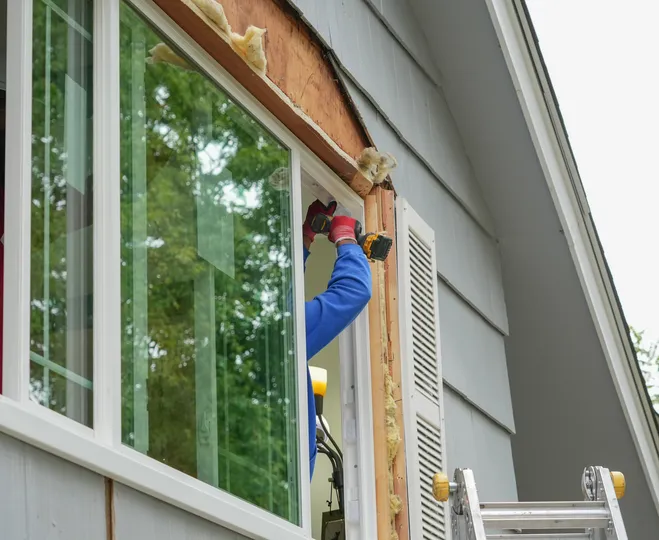
Even quality windows have a limited lifespan, and understanding why helps you know what to watch for. Age, weather exposure, and seal failure all take a toll over the years.
Most residential windows last 15 to 20 years, though the exact lifespan depends on the frame material, climate, and installation quality. As windows age, their seals break down, frames warp or rot, and older single-pane or early double-pane designs simply cannot match the efficiency of modern windows.
- Seal failure: Over time, the seals between panes break down and lose insulating value
- Material wear: Wood can rot, aluminum transfers heat, and vinyl can warp in extreme temperatures
- Outdated technology: Windows over 15 to 20 years old lack modern Low-E coatings and insulation
- Climate exposure: Temperature swings and moisture accelerate wear in harsh climates
5 Signs It Is Time to Replace Your Windows
While windows do not always fail obviously, certain signs make it clear that replacement is the smarter long-term choice. Watching for these helps you act before comfort, efficiency, and your home’s structure are affected.
If you notice one or more of the following, it is worth having your windows professionally evaluated. Multiple signs at once usually mean replacement is more cost-effective than repair.
1. Drafts Around Closed Windows
If you feel a breeze or cold air near a window that is fully closed, the seal or frame is no longer doing its job. Drafts force your heating and cooling system to work harder, driving up energy bills and leaving rooms uncomfortable. A draft you can feel by standing near the window is one of the clearest signs it is time for replacement.
- Noticeable breeze: Air movement near a closed window signals seal or frame failure
- Cold glass: Glass that feels cold to the touch points to poor insulation
- Uneven comfort: Rooms that never feel quite right often have drafty windows
2. Condensation or Fog Between the Panes
Moisture or fog trapped between double or triple glass panes means the window’s seal has failed and the insulating gas has escaped. Unlike condensation on the inside surface, which is a humidity issue, fog between the panes cannot be wiped away and signals the window has lost its efficiency. This is a definitive sign the window needs to be replaced.
- Trapped moisture: Fog between panes that will not wipe away means a broken seal
- Lost insulation: The window no longer insulates once the seal fails
- Not repairable: Seal failure typically calls for replacement, not repair
3. Rising Energy Bills
If your heating and cooling bills keep climbing with no change in your usage, inefficient windows may be the quiet culprit. Windows can account for 25 to 30 percent of a home’s heating and cooling energy, so failing ones put a real strain on your HVAC system. Upgrading to efficient windows is one of the most effective ways to rein in those costs.
- Climbing costs: Steadily rising bills with no usage change point to window inefficiency
- HVAC strain: Leaky windows make your system work harder and wear out faster
- Big impact: Windows are a major share of home energy use
4. Difficulty Opening, Closing, or Locking
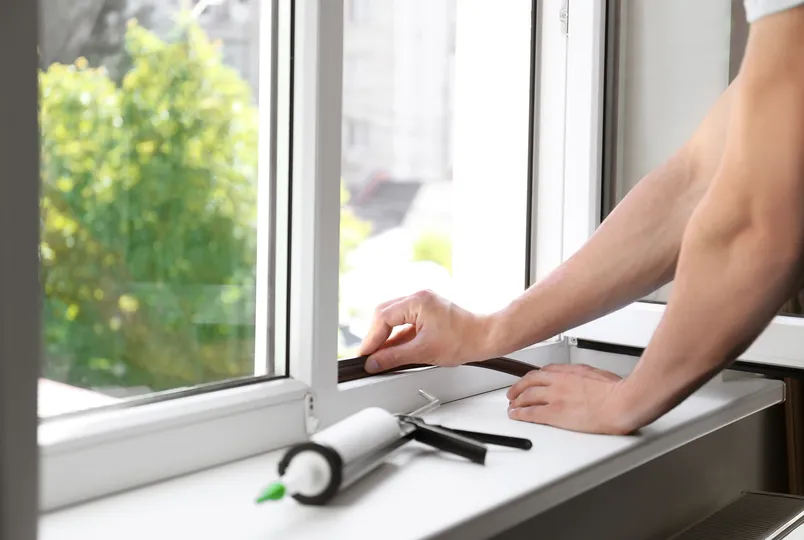
Windows that stick, refuse to stay open, or will not lock properly have usually suffered frame warping, swelling, or hardware failure. Beyond the daily frustration, a window that will not close or lock securely is both an energy and a safety concern. Operational problems like these are a strong sign the windows have reached the end of their service life.
- Sticking frames: Warped or swollen frames make windows hard to operate
- Won’t stay open or locked: Points to hardware or structural failure
- Safety concern: A window that will not lock is a security risk
5. Visible Damage or Age Beyond 20 Years
Cracked glass, rotting or warped frames, peeling paint, and water stains around the window are all visible signs of deterioration. Combined with age, if your windows are more than 20 years old, these issues make a strong case for replacement. Even windows that look acceptable from a distance may be well past their efficient lifespan.
- Frame damage: Rot, warping, cracks, or peeling signal deterioration
- Water intrusion: Stains or leaks around the frame point to failing seals
- Age factor: Windows past 20 years rarely match modern efficiency
The Benefits of Replacing Your Windows
Replacing worn windows delivers immediate and long-term payoffs beyond just fixing the problems above. New windows improve nearly every aspect of how your home looks, feels, and performs.
The most compelling benefit for many homeowners is energy savings. According to ENERGY STAR, replacing old windows with ENERGY STAR certified models can lower household energy bills by an average of 7 to 15 percent. On top of the savings, new windows add comfort, curb appeal, and value.
- Lower energy bills: Modern Low-E, double or triple-pane windows cut heating and cooling costs
- Better comfort: Consistent indoor temperatures with no drafts or cold spots
- Noise reduction: Insulated windows quiet outside noise significantly
- Curb appeal and value: Fresh, efficient windows boost both appearance and resale value
Know the Signs and Protect Your Home
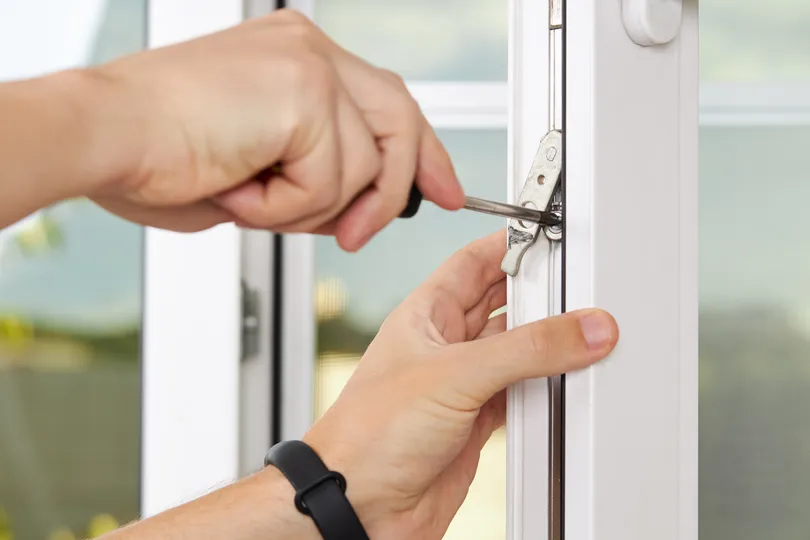
Your windows work hard year-round, and recognizing the signs that they need replacing, drafts, foggy glass, rising energy bills, sticking frames, and visible damage, helps you act before small problems grow into bigger ones. New windows do more than solve those issues; they lower your energy costs, improve comfort, cut outside noise, and enhance your home’s appearance and value. If your windows are showing any of these signs, the best next step is a professional assessment to weigh repair against replacement. Shake Guys helps homeowners improve their homes with quality exterior upgrades, backed by more than 20 years of experience, an A+ BBB rating, and factory-trained crews. Reach out to Shake Guys today to schedule an inspection and find out whether new windows are the right move for your home.


Schedule a Free Inspection & Consultation
We look forward to providing you with premium customer service & high-quality results.