
What Roofing Materials Work Best For Highland Park, IL Homes? (5 Expert Picks)
 8/20/2026
 6 Min Read
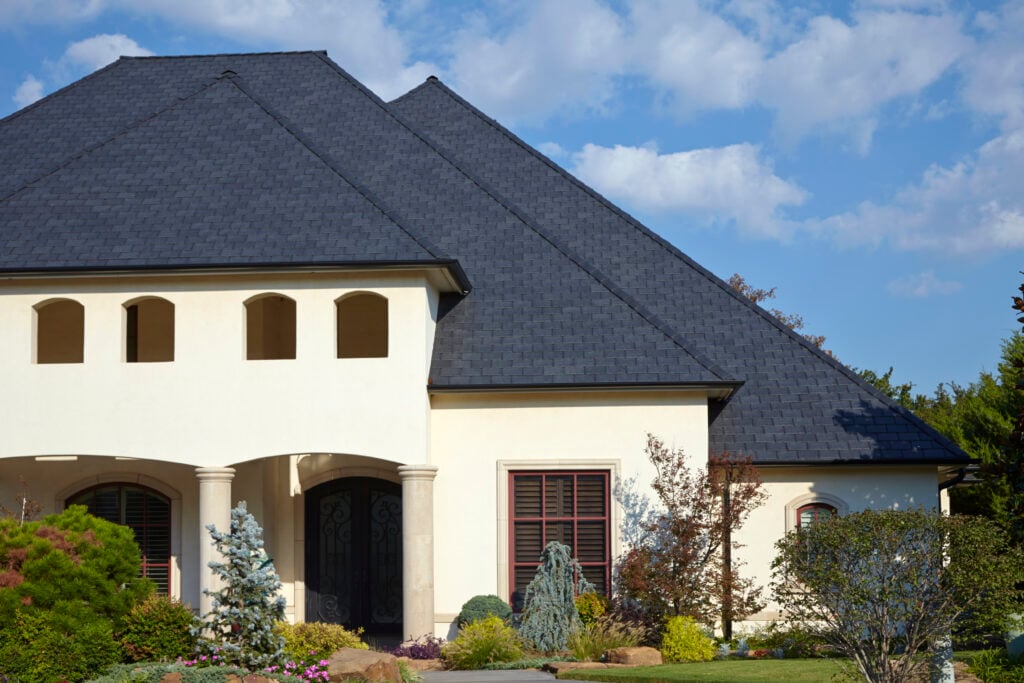
Deciding what roofing materials work best for Highland Park IL homes comes down to matching durability, curb appeal, and cold-climate performance to your home’s architecture and budget. Highland Park sits on the North Shore, where heavy snow, ice dams, freeze-thaw cycles, hail, and lake-effect winds test a roof year-round. The right material protects your home for decades while complementing the elegant, established housing stock the area is known for.
Choosing the Right Material for the Climate
Q: What makes a roofing material suitable for Highland Park’s weather?
A: The best materials handle snow loads, resist freeze-thaw cracking, shed water, and stand up to hail and wind. Highland Park’s swings between winter freezes and summer heat stress roofing, so durability, impact resistance, and quality installation with ice-and-water shield matter more than upfront price alone.
Q: Does home style affect which material I should pick?
A: Absolutely. Highland Park features everything from historic estates to modern architecture, and the material should complement the home. Cedar and slate suit traditional and estate homes, composite fits homeowners wanting that look with less upkeep, and metal or architectural asphalt work across a wide range of styles.
Q: How much do roofing materials vary in cost?
A: Significantly. According to Angi, roofing materials cost roughly $4 to $40 per square foot, with metal and asphalt on the lower end and slate on the higher end. Material choice is the single biggest factor in your total.
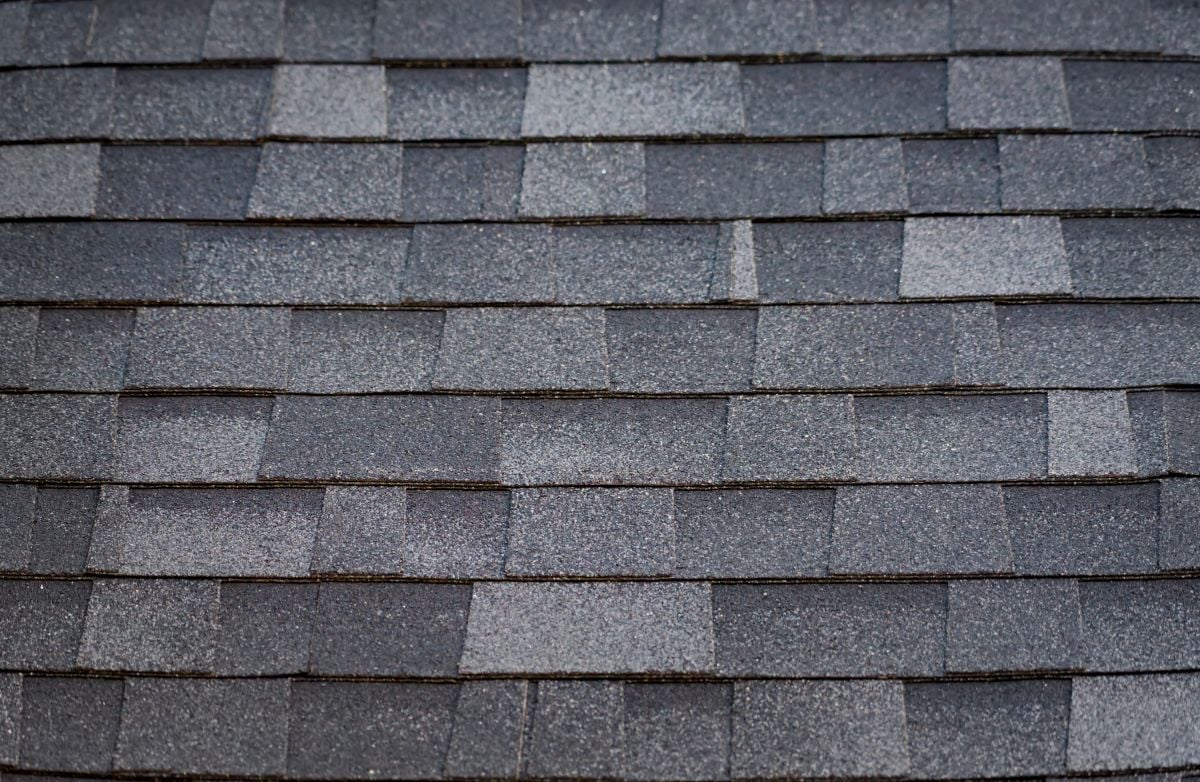
Architectural Asphalt Shingles
Q: Are architectural asphalt shingles a good choice for Highland Park?
A: Yes, for value. Architectural and impact-resistant asphalt shingles offer the best balance of affordability, durability, and weather protection for most homes. Modern versions carry wind ratings of 110 to 130 mph, and Class 4 impact-rated shingles resist hail and may qualify for insurance discounts in the Highland Park area.
Q: How long do asphalt shingles last in this climate?
A: Architectural asphalt shingles typically last 20 to 30 years when properly installed and ventilated. Cold-climate performance improves with polymer-modified shingles that stay flexible in freezing temperatures, plus ice-and-water shield at the eaves and valleys to guard against ice dams and leaks.
Q: What are the drawbacks of asphalt?
A: Asphalt has a shorter lifespan than metal, slate, or composite and can wear faster under heavy snow and hail if a lower grade is used. Ice dams are also a concern without proper ventilation. Choosing architectural or impact-rated shingles and a skilled installer minimizes these issues.
Standing Seam Metal
Q: Why do homeowners choose metal roofing?
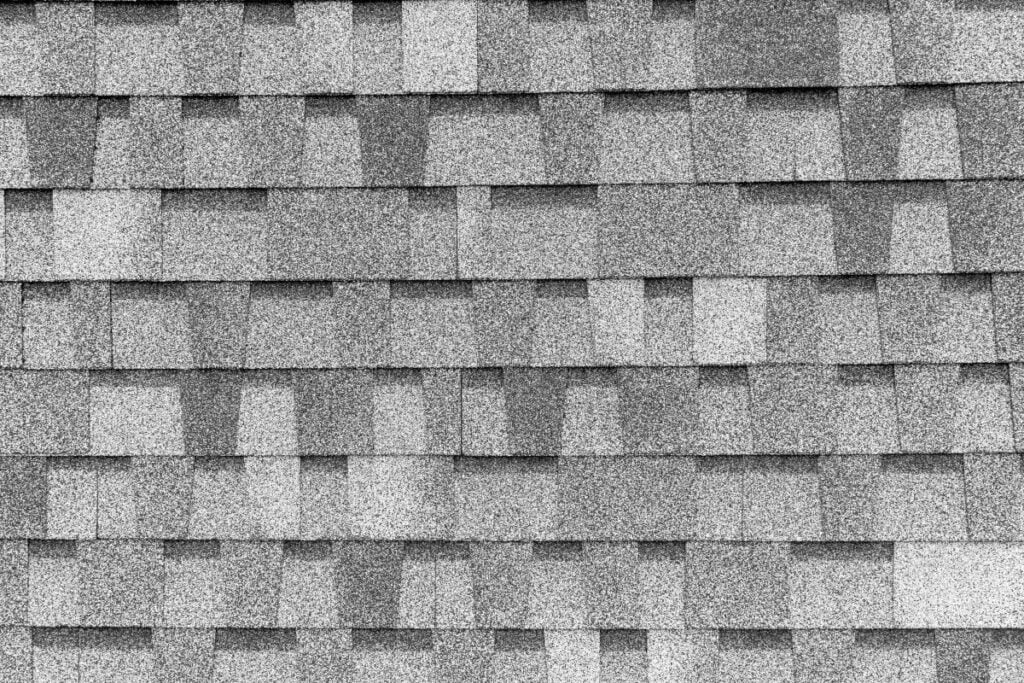
A: Metal excels in cold climates. Standing seam metal sheds snow and ice quickly, which helps prevent ice dams, and resists wind exceptionally well. It lasts 40 to 70 years, far longer than asphalt, making it ideal for Highland Park homeowners planning to stay in their homes for the long term.
Q: Does metal roofing have drawbacks in snow country?
A: A few worth planning for. Metal may need snow guards to control sliding ice above walkways and entries, plus adequate attic insulation so heating stays efficient. When installed correctly with the right profile and finish, though, metal delivers outstanding snow performance and decades of low-maintenance protection.
Q: Is metal a good fit for Highland Park’s home styles?
A: It can be very versatile. Standing seam suits modern and contemporary homes especially well, while metal shingle profiles can complement more traditional designs. Reflective finishes also help reduce attic heat in summer, adding year-round efficiency to its strong winter performance.
Cedar Shake
Q: Is cedar shake a good fit for Highland Park homes?
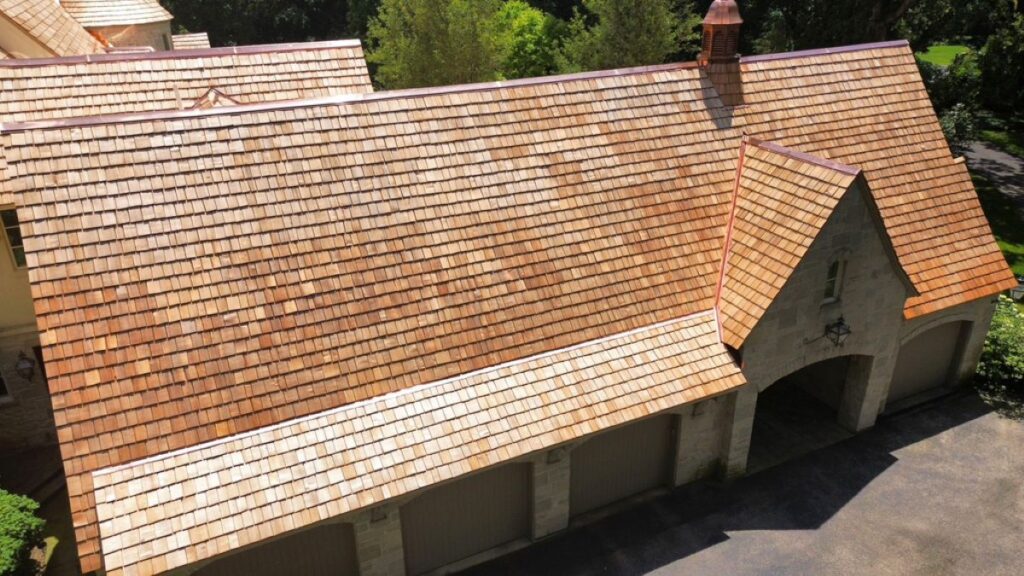
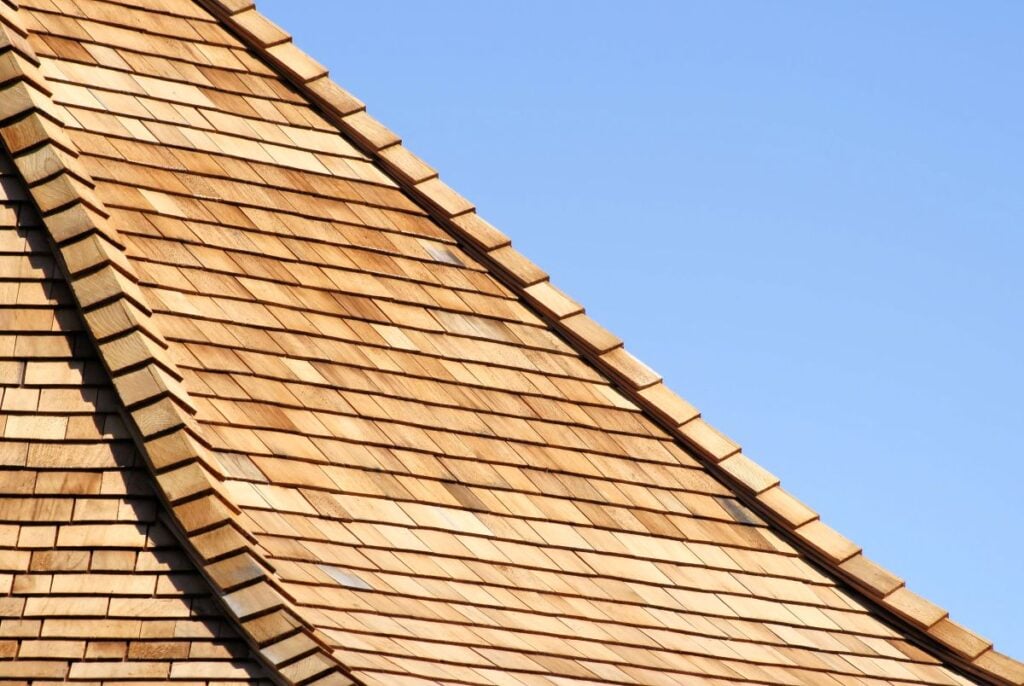
A: Cedar shake is a signature look on North Shore estates, offering natural beauty and excellent insulation. It suits traditional and rustic architecture beautifully. The tradeoff is maintenance: Illinois humidity and freeze-thaw cycles mean cedar needs periodic cleaning and preservation treatments to reach its full lifespan.
Q: How long does a cedar roof last here?
A: Natural cedar shake typically lasts 20 to 30 years, though upkeep heavily influences that range. Regular cleaning, treatment, and prompt repairs help cedar resist rot, moss, and moisture damage in the Midwest climate. Choosing a premium grade of cedar also extends its performance and appearance.
Q: Does cedar require special care in winter?
A: Yes. Cedar is porous and absorbs moisture, so proper installation, ventilation, and drainage are essential to manage freeze-thaw stress and prevent rot. A specialist who understands cedar grading and preservation will help your roof shed snow and last through many Highland Park winters.
Natural Slate
Q: What makes slate a premium option?
A: Slate is natural stone and one of the longest-lasting materials available, often exceeding 100 years. It is waterproof, fire-resistant, and handles freeze-thaw cycles without damage, making it excellent for Highland Park winters. Slate delivers unmatched elegance on estate and luxury homes that few materials can rival.
Q: What should I know before choosing slate?
A: Slate is heavy and expensive, and many homes need structural reinforcement to carry the weight. Installation and repairs require specialized expertise, and tiles can break if walked on. For the right home and budget, though, slate’s longevity and timeless appeal make it a worthwhile investment.
Q: How does slate handle snow and ice?
A: Exceptionally well. Slate’s dense, impermeable surface resists water infiltration and the freeze-thaw cycle, so ice dams and leaks are less of a concern than with many materials. Its weight and durability also help it stand up to heavy snow loads when installed on an appropriately reinforced structure.
Synthetic Composite
Q: What are synthetic composite roofing materials?
A: Composite tiles from brands like DaVinci, Brava, and EcoStar are engineered polymers that replicate the look of slate or cedar. They resist freeze-thaw cycles, impact, and moisture while weighing far less than natural stone, making them a smart, lower-maintenance alternative for Highland Park homes.
Q: Why choose composite over natural slate or cedar?
A: Composite delivers the premium appearance at 40% to 60% less than natural materials, with much less upkeep. Many carry Class 4 impact ratings and warranties around 50 years. Their lighter weight reduces structural demands, and they will not rot, warp, or split the way natural wood can.
Q: Is composite durable enough for North Shore winters?
A: Yes. Quality composite is built for cold climates, with low water absorption, UV inhibitors, and freeze-thaw resistance. Many products are tested to withstand extreme low temperatures and hail. The key is choosing a reputable brand and a contractor experienced installing it, since quality varies between manufacturers.
Matching the Right Roof to Your Highland Park Home
The best roofing material for your Highland Park home ultimately depends on your budget, your home’s architecture, and how long you plan to stay. Architectural and impact-resistant asphalt deliver value, metal offers unmatched snow performance and longevity, and cedar, slate, and composite bring premium curb appeal suited to the North Shore’s distinctive homes. Whatever you choose, quality installation with proper ventilation and ice protection is what makes any material perform through the seasons. Shake Guys specializes in cedar, composite shake, and slate roofing, backed by more than 20 years of experience, an A+ BBB rating, over 250 five-star reviews, and factory-trained crews. Reach out to Shake Guys today to schedule your free 17-point roof inspection and find the perfect roofing material for your Highland Park home.


Schedule a Free Inspection & Consultation
We look forward to providing you with premium customer service & high-quality results.