
What Roofing Materials Work Best In Waukesha, WI Winters? (3 Cold Weather Picks)
 10/22/2026
 5 Min Read
Knowing what roofing materials work best for Waukesha WI winters comes down to choosing options that shed snow, resist freeze-thaw cracking, and stand up to ice and wind season after season. Waukesha winters bring heavy snow, deep freezes, and the freeze-thaw cycles that punish a poorly chosen or poorly installed roof. The best cold-weather materials pair durability with proper ventilation and ice protection to keep your home dry all winter. Below are three cold-weather picks for Waukesha homes, answered in a simple question-and-answer format.
Why Winter Performance Matters in Waukesha
Q: What makes a roofing material good for Waukesha winters?
A: The best winter materials shed snow and ice, stay flexible in subfreezing temperatures, and resist the freeze-thaw cracking that Wisconsin cold causes. They also work with proper ventilation and ice-and-water shield to prevent ice dams, which are one of the leading causes of winter roof leaks.
Q: What is an ice dam and why does it matter?
A: An ice dam forms when heat escaping into the attic melts snow, which refreezes at the cold eaves and backs water up under the shingles. According to ENERGY STAR, proper attic ventilation and insulation keep the attic cold in winter, reducing the ice damming that can damage a roof and gutters.
Q: Does installation matter as much as material?
A: Absolutely. Even the best cold-weather material fails early without proper ventilation, ice-and-water shield at the eaves, and correct flashing. In Waukesha winters, quality installation is what turns a good material into a roof that reliably keeps snowmelt and ice out of your home.
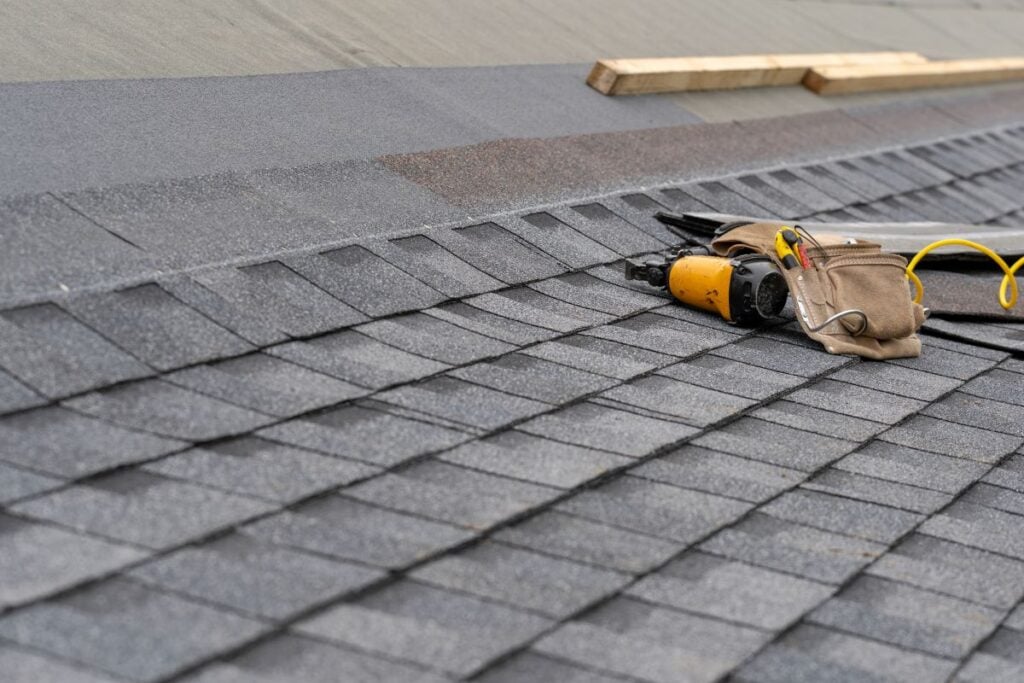
Pick 1: Architectural Asphalt Shingles
Q: Why are architectural asphalt shingles a top winter pick?
A: They offer the best balance of value, durability, and cold-weather performance, which makes them the most popular choice in Wisconsin. Modern architectural shingles, especially SBS-modified versions, stay flexible in subfreezing temperatures and resist the cracking that freeze-thaw cycles cause.
Q: What should I look for in a winter-ready shingle?
A: Look for Class 4 impact ratings for hail and ice resistance, high wind ratings of 110 to 130 mph to resist polar vortex gusts, and wide nailing zones. SBS-modified, or “rubberized,” asphalt is especially valuable for staying pliable when temperatures drop well below freezing.
Q: How long do asphalt shingles last in Waukesha?
A: Architectural asphalt shingles typically last 20 to 30 years in Wisconsin, depending on installation and ventilation. Pairing them with proper attic airflow and ice-and-water shield at the eaves is essential to reach that lifespan and prevent winter ice dams.
Pick 2: Standing Seam Metal
Q: Why is metal roofing excellent for Waukesha winters?
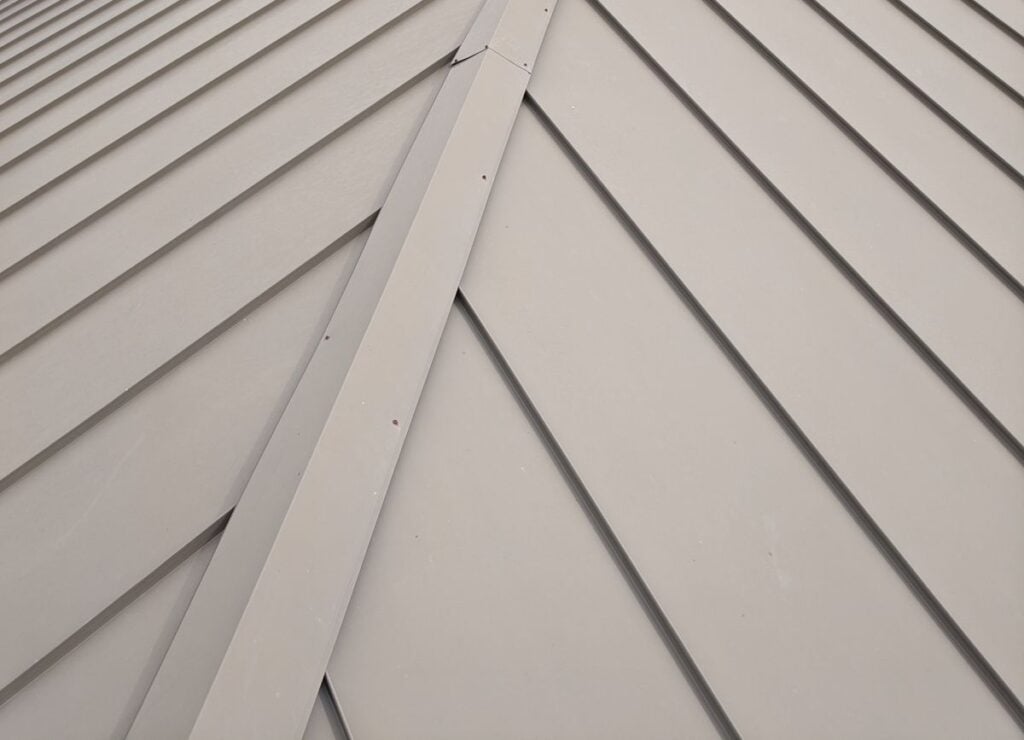
A: Metal is the best material for shedding snow and ice, which directly helps prevent ice dams. Its smooth, interlocking panels let snow slide off safely, and standing seam’s elevated seams keep water from pooling during freeze-thaw cycles, making it ideal for heavy Wisconsin winters.
Q: How long does a metal roof last?
A: Standing seam metal commonly lasts 40 to 70 years, far outlasting asphalt. It resists rust and corrosion even with road-salt exposure, and reflective finishes lower summer cooling costs, making it a strong long-term investment for homeowners planning to stay.
Q: Are there winter downsides to metal?
A: A couple to plan for. Metal may need snow guards to control sliding ice above walkways and entries, and it costs more upfront than asphalt. Installed correctly, though, its snow-shedding and longevity make it one of the best cold-climate performers available.
Pick 3: Composite and Synthetic Slate
Q: What are composite and synthetic slate roofs?
A: Composite tiles from brands like DaVinci, Brava, and EcoStar are engineered polymers that mimic natural slate or cedar. They resist freeze-thaw cycles, impact, and moisture while weighing far less than natural stone, making them a durable, lower-maintenance choice for Waukesha winters.
Q: Why choose composite over natural slate for winter?
A: Composite handles freeze-thaw better than natural slate, which can absorb moisture and crack under repeated freezing. Composite also weighs far less, avoiding the structural reinforcement natural slate often needs, while offering Class 4 impact resistance and warranties around 50 years.
Q: Is composite durable enough for heavy snow?
A: Yes. Quality composite is engineered for cold climates, with low water absorption, UV inhibitors, and strong freeze-thaw resistance, and it stands up well to snow loads and ice. The key is choosing a reputable brand and an experienced installer, since performance varies by manufacturer.
Choosing the Right Winter Roof for Your Waukesha Home
The best winter roofing material for your Waukesha home depends on your budget, your home’s style, and how long you plan to stay, but all three of these picks are built to handle Wisconsin cold. Architectural asphalt delivers value and reliable cold-weather performance, standing seam metal offers unmatched snow shedding and longevity, and composite brings premium durability with excellent freeze-thaw resistance. Whatever you choose, proper ventilation, ice-and-water shield, and quality installation are what keep snow and ice out all winter. Shake Guys specializes in cedar, composite shake, and slate roofing, backed by more than 20 years of experience, an A+ BBB rating, over 250 five-star reviews, and factory-trained crews. Reach out to Shake Guys today to schedule your free 17-point roof inspection and find the right winter-ready roof for your Waukesha home.


Schedule a Free Inspection & Consultation
We look forward to providing you with premium customer service & high-quality results.